
2×2 vs 3×3 Pump Testing Machines: A Practical Comparison
Understand the practical questions to ask when comparing 2×2 and 3×3 pump testing configurations for a production test bay.
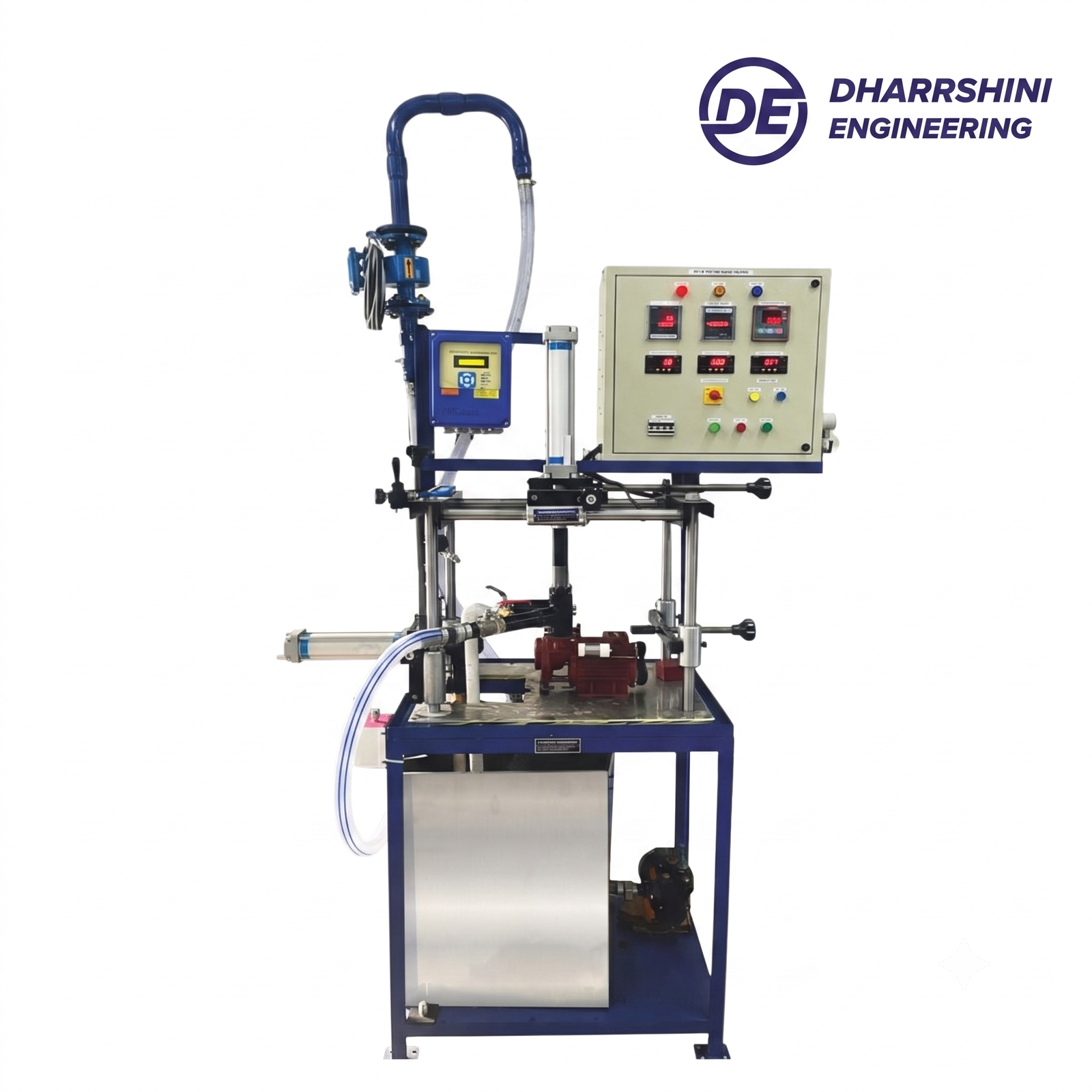
Treat the configuration name as a starting point
The terms 2×2 and 3×3 are commonly used to identify pump testing configurations, but buyers should not rely on the name alone to determine capacity. The final operating range depends on the hydraulic circuit, pipe sizes, instruments, tank, valves, drive and control provisions selected for the machine.
When comparing quotations, ask each manufacturer to state the supported pump range, measurement ranges, connection arrangement and test sequence. This creates a meaningful technical comparison and prevents assumptions based only on the model name.
Compare the application and production requirement
A smaller configuration can be appropriate for a focused product range, limited floor space or moderate testing volume. A larger configuration may provide additional flexibility for a broader range of pumps or a production plan that is expected to grow. The best choice is the one that covers the required operating envelope without making normal testing unnecessarily complicated.
Throughput calculations should include connection time, priming, stabilisation, measurement, result recording and changeover. If multiple pump families share the same station, quick and repeatable changeovers can be more valuable than simply increasing nominal capacity.
- Current and planned pump range
- Tests required per shift
- Available test-bay footprint
- Changeover frequency
- Operator skill and reporting workflow
Instrumentation can matter more than frame size
The usefulness of a pump testing setup depends on whether its instruments operate effectively across the required measurement range. Confirm flow-meter range, pressure indication, electrical measurement needs, display resolution and calibration access. A configuration with carefully selected instruments can provide a more practical test process than a physically larger machine with unsuitable measurement ranges.
If digital recording or automation is planned, discuss sensor outputs, panel space and communication provisions at the design stage. These additions are easier to integrate before fabrication and wiring are complete.
Use a requirement review before final selection
A technical review allows the equipment manufacturer to match the configuration to the pump catalogue, factory utilities and available space. Dharrshini Engineering manufactures both standard and customized pump testing equipment in Coimbatore, with piping, fabrication, instrumentation and panel provisions selected for the application.
Before placing an order, request a clear scope covering instruments, controls, utilities, civil or drainage requirements, installation responsibilities, documentation and training. A complete scope reduces ambiguity during commissioning.
Questions about this topic
Is a 3×3 pump testing machine always better than a 2×2 setup?
No. The correct configuration depends on the pump range, measurement requirement, throughput and available space. A requirement review is more reliable than choosing only by model name.
Can the instrumentation range be customized?
Yes. Flow, pressure and electrical measurement provisions can be selected around the intended pump range and test procedure.
What should be included in a technical comparison?
Compare the supported operating range, instruments, accuracy or calibration requirements, controls, utilities, materials, safety provisions, installation scope and after-sales support.